






"The Legend of Zelda: Breath of the Wild" revolutionized open-world gaming when it was released in 2017. While many games offer sprawling environments for exploration, few provide the player with such a profound sense of freedom and discovery. This article will delve deeply into the unique exploration mechanics of Breath of the Wild, focusing particularly on how these mechanics contribute to player agency, narrative immersion, and world-building.
The Open-World Design: A New Paradigm
Breath of the Wild features an expansive world filled with diverse environments, from lush forests and towering mountains to arid deserts and vibrant towns. The game's design encourages players to explore every nook and cranny.
Freedom of Movement
One of the game's primary design choices is its emphasis on vertical exploration. Players can climb almost any surface, allowing them to approach objectives in a non-linear fashion. This mechanic significantly alters traditional gameplay, as players can choose their paths rather than follow predetermined routes.
Environmental Interactions
The game also encourages exploration through extensive environmental interactions. Players can set objects on fire, create updrafts with fire and thermals, manipulate time, and even utilize weather patterns. Each of these mechanics can alter the landscape and provide unique solutions to the puzzles found throughout Hyrule.
Player Agency: Empowerment through Choices
Breath of the Wild stands out for its deep emphasis on player agency, allowing players to shape their adventures in significant ways.
Quest Structure
The game is structured around a series of quests and shrines that players can tackle in any order they choose. Traditional quest-giving formats often confine players to linear paths, but Breath of the Wild empowers players with choices regarding which quests to engage with and how to complete them.
Consequences of Decisions
Every decision a player makes can significantly impact their gameplay experience. Choosing to engage in combat or to sneak past enemies offers different outcomes, encouraging players to think critically about their actions. This system rewards creativity and fosters a sense of responsibility for the player's choices in Hyrule.
The Role of Shrines: Puzzles and Challenges
Shrines serve as both exploration incentives and puzzle-based challenges that encourage players to think critically.
Variety of Shrines
There are 120 shrines scattered throughout Hyrule, each presenting unique puzzles that require creativity to solve. These puzzles range from simple physics-based challenges to more intricate combat trials that test the player’s skills and abilities.
Reward Systems
Completing shrines rewards players with Spirit Orbs, allowing them to enhance their health and stamina. This cyclical reward system incentivizes exploration because players know that discovering and completing shrines will empower their gameplay experience.
Narrative Integration: Storytelling through Exploration
Breath of the Wild features a non-linear narrative that unfolds organically, with exploration deeply intertwined with storytelling.
Environmental Storytelling
The game's open-world design allows players to discover the history of Hyrule through exploration, offering glimpses of the past among ruins, artifacts, and even memories tied to the main characters.
Character Development
The characters players encounter throughout their journey are intricately woven into the landscape. Each NPC has unique stories that enrich the game’s sense of place, creating emotional connections between the player and Hyrule. Through exploration, players learn about their struggles and victories, enhancing the narrative experience.
The Importance of Discovering Secrets
The feeling of uncovering secrets is one of the most exhilarating aspects of playing Breath of the Wild.
Hidden Locations
Various hidden locations, including Korok seeds, special armor pieces, and rare items, are scattered throughout Hyrule. Discovering these secrets often requires creativity, persistence, and a keen eye.
Lore and World-Building
Each secret discovered contributes to the overall lore of the world. For instance, lore revealed through ancient texts or visual storytelling can illuminate the game's history and thematic depth, making exploration feel meaningful and rewarding.
Combat and Exploration: A Balanced Challenge
Combat in Breath of the Wild is intricately linked to the exploration mechanics, creating a dynamic balance between the two.
Enemy Encounters
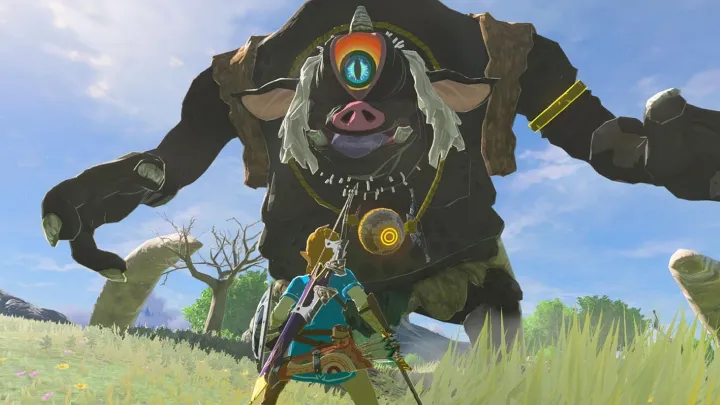
Enemies are placed strategically throughout the world, often in locations that encourage exploration. For example, players might find a challenging Bokoblin camp near a treasure chest, enticing them to engage in combat while exploring the landscape.
Equipment and Resources
The weapons and resources players acquire through exploration also affect combat. Different weapons can be found in various environments, turning exploration into a continual search for new gear that enhances combat mechanics.
Environmental Awareness: Adapting to Hyrule's Biomes
Each environment in Hyrule presents unique challenges that require players to adapt their strategies accordingly.
Weather Mechanics
Weather plays a pivotal role in gameplay. Rain can hinder climbing, while thunderstorms can attract lightning-based attacks. This necessitates player adaptability, enhancing both exploration and immersion.
Biome-Specific Challenges
Different biomes, like the snowy peaks of the Hebra Mountains or the deserts of Gerudo, provide diverse challenges that players must navigate. Players must prepare by acquiring appropriate gear or using specific strategies to overcome each area's unique obstacles.
The Role of Technology: The Sheikah Slate
The Sheikah Slate acts as the player's primary tool, offering both utility and enhancing exploration.
Functionality of the Sheikah Slate
This gadget allows players to access maps, track quests, and utilize various abilities, such as freezing objects and creating bombs. Consequently, it becomes indispensable for exploration, enabling players to manipulate the environment.
Enhancing Player Interaction
Using the Sheikah Slate encourages experimentation and creative thinking, as players can approach challenges through various means. This not only facilitates exploration but also elevates the entire gameplay experience.
Conclusion
The exploration mechanics in "The Legend of Zelda: Breath of the Wild" redefine the player's relationship with the game world. By offering freedom of movement, meaningful choices, environmental storytelling, and complex interactions, the game creates a rich tapestry that encourages players to explore every corner of Hyrule. Through a combination of innovative design and thoughtful narrative integration, Breath of the Wild stands as a testament to the power of exploration in video gaming.
In summary, the game provides a unique framework that empowers player agency, making each adventure a personal narrative filled with discovery and wonder.