.webp)
Call of Duty: The Evolution of Modern Warfare’s Campaign Design, Tactical Realism, and Moral Complexity
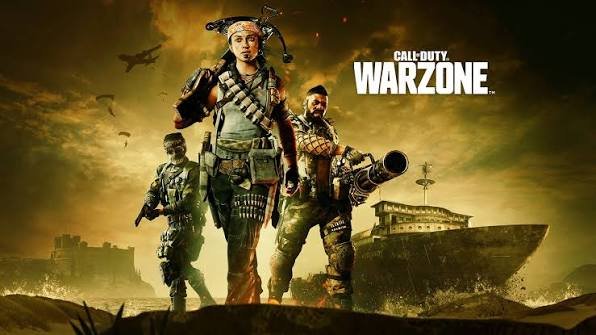
Call of Duty has become one of the most recognizable names in military video games, but its lasting influence cannot be explained by fast gunfights, explosive set pieces, or competitive multiplayer alone. One of the franchise’s most significant achievements is the way it transforms modern warfare into an interactive narrative, placing players inside conflicts shaped by intelligence failures, political manipulation, technological advancement, and difficult moral decisions. Across its different eras, the series has repeatedly explored the relationship between individual soldiers and the enormous institutions that direct their actions.
The Modern Warfare subseries offers a particularly compelling lens through which to examine these ideas. From the original trilogy’s portrayal of international terrorism and escalating geopolitical conflict to the rebooted continuity’s emphasis on intelligence operations, covert missions, and unconventional warfare, Modern Warfare demonstrates how military shooters can develop their storytelling through mission structure, environmental design, character relationships, and player participation. Its most memorable sequences often place the player in situations where the immediate objective appears straightforward, but the wider consequences are far more complicated.
This article examines the evolution of campaign design in Call of Duty, concentrating on Modern Warfare’s approach to tactical storytelling, the relationship between gameplay and narrative, the changing representation of military technology, and the moral questions surrounding modern conflict. Rather than treating the franchise as a general overview of shooting mechanics, it explores how specific design decisions shape the player’s understanding of warfare and why certain missions remain influential long after their original release.
1. The Original Modern Warfare and the Reinvention of Military Shooter Storytelling
The release of Call of Duty 4: Modern Warfare in 2007 marked a major turning point for the franchise. Earlier Call of Duty games had largely concentrated on historical combat, particularly the Second World War. These settings provided recognizable battlefields, established military narratives, and clear distinctions between opposing forces. Modern Warfare moved the series into contemporary geopolitical fiction, creating a different storytelling environment in which military operations could involve nuclear threats, international terrorism, intelligence agencies, and conflicts that crossed national borders.
The shift was important because modern warfare offered a wider range of narrative possibilities. Instead of recreating famous historical battles, the developers could construct fictional crises that reflected contemporary anxieties. Players moved between different characters and locations, experiencing the same broader conflict from multiple perspectives. British special operations personnel, American Marines, and intelligence-linked figures became parts of an interconnected narrative in which no single soldier possessed complete knowledge of the situation.
Multiple Perspectives and Fragmented Knowledge
The original Modern Warfare campaign frequently changes the player's perspective to communicate the complexity of military operations. A mission experienced by a special operations soldier may reveal information that a conventional infantry unit cannot access. Conversely, a large-scale battlefield sequence can demonstrate the consequences of decisions made by commanders or intelligence officials operating far from the front line.
This approach makes the campaign feel larger than the immediate objectives assigned to the player. A character might successfully complete an extraction, recover intelligence, or eliminate a target without understanding how that action affects the entire conflict. The player receives fragments of the larger story and must connect them through briefings, dialogue, mission transitions, and subsequent events.
The structure also establishes a central tension: soldiers act on incomplete information while political and military leaders interpret the same events through different institutional priorities. The result is a campaign in which success at the tactical level does not necessarily produce strategic stability.
The Influence of Cinematic Pacing
Modern Warfare also helped establish a recognizable style of cinematic military shooter design. Quiet reconnaissance, sudden ambushes, vehicle sequences, large-scale firefights, and scripted environmental disasters are arranged to create dramatic variation throughout the campaign.
These sequences are not simply visual spectacles. Their placement controls how players experience tension. A relatively quiet mission encourages attention to dialogue and environmental details, while a rapidly escalating engagement shifts attention toward movement, cover, and immediate survival.
The contrast creates a rhythm similar to a war film, but with an important difference: the player must perform the actions that move the story forward. Even when the larger outcome is predetermined, the physical experience of aiming, advancing, defending, and escaping makes the narrative more immediate.
2. The Structure of Modern Warfare Missions: From Intelligence Gathering to Direct Action
Modern Warfare campaigns often organize their missions around the progression of a military operation. An objective begins with incomplete intelligence, develops through reconnaissance or infiltration, and eventually reaches a decisive engagement. This structure allows the game to present combat as one stage in a broader process rather than as an isolated sequence of enemies appearing in front of the player.
The original trilogy uses this structure to connect smaller operations with international crises. The rebooted games continue the approach but place greater emphasis on intelligence networks, clandestine partnerships, and the uncertainty surrounding the identities and motivations of hostile actors. Across both continuities, the mission briefing becomes a narrative device that establishes what the player is expected to accomplish without necessarily revealing everything that matters.
Reconnaissance as a Storytelling Mechanism
Reconnaissance missions slow down the campaign's tempo and change the player's relationship with the environment. Instead of immediately engaging every visible opponent, players may need to observe patrols, identify targets, monitor movement, or wait for an appropriate moment to advance.
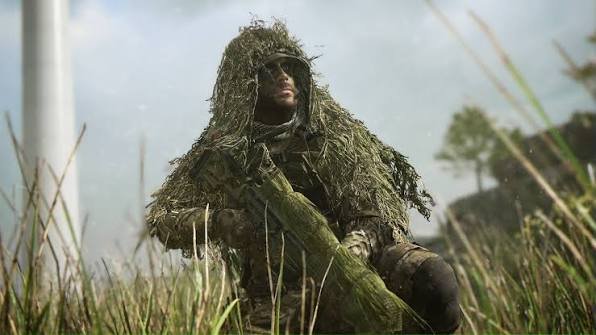
The original All Ghillied Up mission in Call of Duty 4: Modern Warfare remains an important example. Its stealth-oriented structure replaces the conventional fantasy of overwhelming battlefield superiority with vulnerability and patience. The player, controlling Lieutenant John Price during an earlier operation alongside Captain MacMillan, must move through a hostile environment where detection can quickly turn a carefully planned mission into a dangerous escape.
The mission's significance lies in its treatment of restraint. Remaining concealed can be more effective than firing a weapon, and observation becomes an active form of participation. The environment is not merely a place to cross; it is a source of information that determines which actions are possible.
Direct Action and the Collapse of Planning
Once an operation moves into direct action, the relationship between preparation and execution becomes more complicated. Plans that appear reliable during a briefing may be disrupted by unexpected resistance, changing objectives, or information that was unavailable at the beginning of the mission.
This transition creates dramatic tension because the player must respond to immediate threats while the larger operation continues to evolve. A mission may require an objective to be completed even after its original assumptions have become questionable.
Modern Warfare repeatedly uses this contrast to depict military professionalism as the ability to operate under uncertainty. However, the games also reveal the limits of that professionalism. Skilled soldiers can react effectively to local threats, but they cannot always control the political circumstances, intelligence failures, or strategic decisions that determine why they are fighting.
The result is a campaign structure in which tactical competence is necessary but never sufficient to guarantee a successful outcome.
3. The Moral Shock of “No Russian” and the Limits of Player Participation
Few missions in the Call of Duty franchise have generated as much discussion as No Russian, the controversial sequence from Call of Duty: Modern Warfare 2, released in 2009. The mission places the player inside a terrorist operation at a Russian airport, creating an experience that deliberately challenges the familiar expectations of a military shooter.
Most conventional action sequences establish a clear relationship between the player and the enemies on screen. Opponents are presented as immediate threats, and eliminating them is usually the primary means of making progress. No Russian disrupts this established relationship by placing the player within a violent event whose purpose is not simply to defeat the people present, but to facilitate a broader political deception.
The Difference Between Witnessing and Participating
The mission's narrative context involves an undercover operation in which Joseph Allen, an American operative working within Makarov's organization, participates in a terrorist attack intended to influence the geopolitical situation between Russia and the United States.
The player is placed in a deeply uncomfortable position because the mission's actions contradict the conventional moral framework of the series. Instead of defending civilians or stopping an attack, the character is embedded within the operation itself. The sequence asks players to confront the difference between controlling a character's actions and approving of those actions.
This distinction is central to interactive storytelling. A film can depict an atrocity while keeping the audience physically separate from the event. A video game can place the audience inside the scene and require them to navigate its structure, even when the narrative provides little meaningful freedom to change the outcome.
The resulting discomfort emerges partly from this contradiction. The player is participating in a fictional event while simultaneously recognizing that the participation serves a predetermined narrative purpose.
Controversy as a Narrative Device
No Russian also illustrates the risks of using controversy to establish narrative seriousness. Its violence is deliberately shocking, but shock alone does not guarantee a meaningful examination of political manipulation or the human consequences of terrorism.
The mission's broader narrative function becomes clearer through its aftermath. Allen's identity is discovered, his death is used to implicate the United States, and the attack contributes to the escalation of an international conflict. The sequence therefore connects individual violence with a larger strategy of deception.
Nevertheless, its design leaves an important question unresolved: how much responsibility does a player bear when the game allows participation but restricts meaningful alternatives?
The mission's lasting significance comes from this tension. It demonstrates that interactive media can create ethical discomfort in ways that conventional cinematic storytelling cannot easily reproduce, but it also reveals the limitations of player agency when a game requires the player to follow a fixed narrative path.
4. The Rebooted Modern Warfare: Covert Operations and the Fragmentation of Trust
The rebooted Call of Duty: Modern Warfare, released in 2019, revisits the franchise's contemporary military setting with a different emphasis. Although it retains recognizable characters and familiar elements, it introduces a new continuity rather than simply continuing the original trilogy's storyline.
The reboot's campaign places greater emphasis on covert operations, intelligence gathering, international cooperation, and the complicated relationships between military forces and local populations. Its conflicts frequently emerge from overlapping political interests rather than from a single, clearly defined enemy organization.
This approach reflects a broader shift in the series' storytelling. Whereas the original Modern Warfare trilogy often used dramatic geopolitical escalation to drive its narrative, the reboot explores the uncertainty of working within environments where information is incomplete and the legitimacy of military intervention is contested.
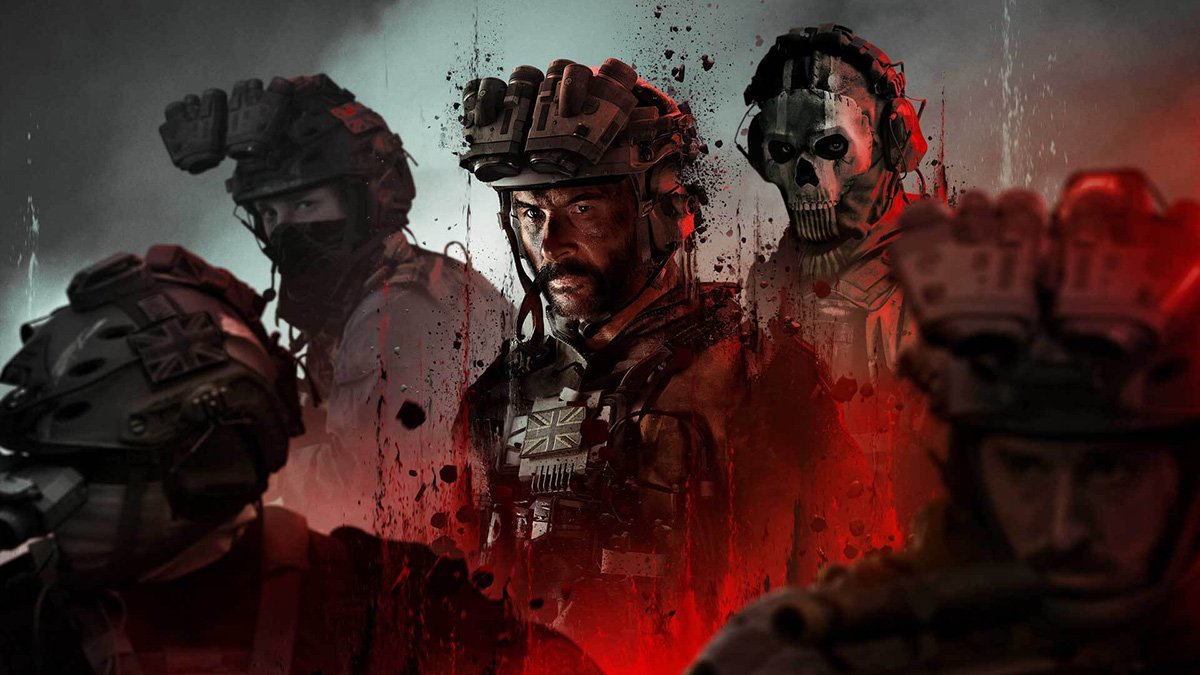
Captain Price and the Changing Image of Command
Captain Price remains a central figure because he represents a recognizable form of military leadership built around experience, decisiveness, and personal loyalty. However, the reboot presents his role within a more complicated operational environment.
Price's relationships with other characters are shaped by questions of trust. Intelligence must be evaluated, allies must be assessed, and decisions may need to be made before every relevant fact becomes available. His authority therefore depends on more than rank or battlefield competence. It also depends on the ability to establish cooperation between individuals and institutions that do not necessarily share identical objectives.
This creates an interesting contrast between the character's confidence and the uncertainty surrounding his missions. Price often appears decisive, but the situations in which he operates remain politically and morally unstable.
His leadership is consequently defined by the management of uncertainty rather than by an assumption that every mission has a straightforward solution.
Cooperation Across Institutional Boundaries
The rebooted campaign also explores the tension between international partnerships and institutional self-interest. Military personnel, intelligence officers, and local forces may cooperate against a shared threat while maintaining different priorities regarding the outcome.
Such relationships make the story more complicated than a simple conflict between two opposing armies. Cooperation becomes conditional, and information becomes a strategic resource that can be withheld, misinterpreted, or selectively disclosed.
The player experiences this tension through briefings, dialogue, changes in mission objectives, and the behavior of allied characters. Even when a mission presents an immediate enemy, the wider narrative asks whether the institutions directing the operation can be trusted to interpret the situation correctly.
This uncertainty gives the reboot a more intelligence-centered identity. Combat remains essential to the gameplay, but the story increasingly emphasizes the information systems and political relationships that determine where combat takes place and what it is supposed to accomplish.
5. “Clean House” and the Transformation of Small-Scale Combat into Psychological Tension
The Clean House mission in the 2019 Modern Warfare campaign demonstrates how the series can generate intensity without relying exclusively on large explosions or enormous battlefields. The mission places the player inside a nighttime operation involving the clearing of a residential building in London.
Its design narrows the scale of combat. Instead of moving across an open battlefield, the player advances through rooms, stairways, and confined interior spaces. Each doorway creates uncertainty because the next area may contain an armed opponent, a civilian, or an unexpected threat.
The confined environment changes the emotional character of the experience. The player must pay attention to small details, interpret the behavior of other characters, and make rapid decisions in spaces where there is little room to retreat.
Environmental Design and the Uncertainty of Identification
The mission's most important design feature is its use of restricted visibility. Dark rooms, narrow corridors, and partially obscured spaces limit the amount of information available to the player.
This creates a form of tension that differs from ordinary firefights. In an open engagement, threats can often be identified through movement, distance, or recognizable battlefield positions. In a residential interior, an uncertain shape or sudden movement may require an immediate response before the player has fully understood the situation.
The environment therefore functions as a mechanism for controlling information. The player is not simply moving through a building; the player is continuously evaluating what can be known and how reliable that knowledge might be.
This uncertainty makes every transition between spaces meaningful. Opening a door becomes a narrative event because it changes what the player can see, what the player believes, and which actions might be necessary next.
Civilian Presence and the Ethics of Tactical Decisions
The presence of civilians adds another layer to the mission. A residential building is not an abstract combat arena, and the people inside cannot automatically be treated as hostile targets. The player must distinguish between threats and noncombatants while operating under pressure.
This design choice creates a direct relationship between the game's tactical mechanics and its moral themes. The same instinct that encourages a player to react quickly in a conventional shooter may be dangerous when the identity of a person in front of the weapon remains uncertain.
The mission does not eliminate the player's power, but it changes the meaning of using it. Accuracy becomes more than a measure of mechanical skill because the consequences of a mistaken decision are incorporated into the scene's narrative framing.
The result is a sequence that uses spatial restriction, limited information, and civilian presence to turn a relatively small operation into a concentrated examination of responsibility.
6. The Visual Language of Modern Warfare: Weapons, Lighting, Sound, and Space
Call of Duty's campaign storytelling depends heavily on presentation. Weapons, uniforms, lighting, sound effects, and environmental details establish the atmosphere of a mission before the player has fully understood its narrative purpose.
In Modern Warfare, these elements frequently emphasize the contrast between highly organized military equipment and unpredictable human environments. Sophisticated weapons and communication systems may suggest operational control, while darkness, smoke, debris, and crowded interiors reveal how quickly that control can become uncertain.
Visual realism in this context does not simply mean reproducing physical objects accurately. It also involves creating environments that encourage players to interpret the world in ways that support the intended dramatic experience.
Weapon Handling as Characterization
Weapons in Modern Warfare are not merely interchangeable instruments of damage. Their weight, sound, recoil, and handling characteristics contribute to the player's perception of different combat situations.
A weapon used in a close-quarters engagement creates a different sensory experience from one used during a long-range reconnaissance sequence. The difference influences the pace of play and reinforces the distinction between operational roles.
Equipment also contributes to characterization. The weapons carried by special operations personnel, conventional infantry, and opposing forces communicate something about their training, resources, and tactical priorities. Attachments and weapon configurations can reinforce the idea that a mission has been prepared for a specific environment.
However, realism remains selective. The game must balance plausible weapon behavior with responsiveness, readability, and entertainment. A mechanically exact simulation of every aspect of real firearms handling would not necessarily produce a better campaign experience.
The visual and auditory presentation therefore serves a larger purpose: it helps the player understand the emotional and tactical character of an encounter without requiring lengthy exposition.
Lighting and Sound as Information Systems
Lighting in Modern Warfare frequently determines how players read an environment. Bright exterior spaces allow wider observation, while dim interiors restrict visibility and increase uncertainty. Flashlights, weapon-mounted lights, shadows, and illuminated doorways can become part of the player's interpretation of potential danger.
Sound performs a similar function. Footsteps, distant gunfire, radio communications, and changes in environmental noise provide information that may not be immediately visible. The absence of sound can be as meaningful as the presence of a loud event because it changes the player's expectations about what might happen next.
These audiovisual details create a connection between atmosphere and mechanics. A dark hallway feels threatening partly because of its appearance, but also because limited visibility changes the player's ability to identify and respond to threats.
The strongest sequences combine these systems. Lighting restricts visual certainty, sound suggests movement beyond the player's field of view, and narrow spaces limit the available responses. The resulting tension emerges from the interaction of several design elements rather than from any single visual effect.
7. From Battlefield Spectacle to Close-Quarters Pressure: The Changing Scale of Conflict
One of Modern Warfare's defining characteristics is its movement between different scales of military conflict. Some missions depict large battles involving vehicles, coordinated infantry movements, and extensive environmental destruction. Others concentrate on small teams operating in confined spaces or moving through areas where visibility and communication are limited.
These changes in scale are essential to the campaign's pacing. Large engagements create a sense of historical or geopolitical importance, while smaller missions bring the consequences of conflict closer to individual characters. The player alternates between seeing war as a vast institutional process and experiencing it as a series of immediate, personal decisions.
The contrast also prevents the campaign from relying on a single model of military competence. Skills that matter during a large battlefield engagement may not be sufficient during a stealth operation or a room-clearing sequence.
Large-Scale Warfare and the Illusion of Control
Large battlefield sequences often place the player within a powerful military formation. Armored vehicles, air support, communications equipment, and allied troops suggest that the operation is supported by a complex system capable of coordinating many moving parts.
These environments create a feeling of scale. The player's actions appear to contribute to a larger offensive, and the visible presence of allied forces reinforces the idea that the mission is part of a coordinated effort.
Yet the spectacle also reveals the limitations of individual control. The player may be able to influence a local engagement, but the broader battlefield contains events that cannot be directly managed. Scripted explosions, changing objectives, and allied movements reinforce the sense that the player occupies one position within a much larger operation.
This can create a productive tension between empowerment and vulnerability. The player is capable and important, but never entirely in control of the war surrounding them.
Small Teams and the Burden of Individual Responsibility
Close-quarters missions reverse this relationship. The player is no longer surrounded by the visible machinery of a large military operation. Instead, the experience may depend on a handful of characters, limited visibility, and the consequences of decisions made within seconds.
Individual responsibility becomes more prominent because the player has fewer visible layers of institutional protection. An error in a confined space can immediately affect the team, while uncertainty about a civilian or an armed opponent becomes difficult to ignore.
This smaller scale also makes character relationships more important. Dialogue, hand signals, positioning, and the reactions of squad members communicate trust and coordination in ways that can become less noticeable during large battles.
By alternating between these scales, Modern Warfare presents warfare as both a collective enterprise and a sequence of intensely personal experiences. The player sees the power of military institutions while repeatedly confronting situations in which that power cannot remove uncertainty or guarantee safety.
8. Multiplayer and the Separation Between Competitive Systems and Campaign Narrative
Although this article focuses on campaign storytelling, Call of Duty's wider identity cannot be separated entirely from its multiplayer component. Multiplayer modes have become a major part of the franchise's long-term appeal, and their design priorities differ substantially from those of the campaign.
A campaign is usually structured around authored missions, controlled pacing, character development, and a planned sequence of narrative events. Competitive multiplayer must support repeated matches, fair opposition, readable combat, and systems that remain engaging after players have learned the basic mechanics.
These goals can overlap, but they are not identical. The same weapon, map, or tactical mechanic may serve different purposes depending on whether the player is participating in a scripted story or competing against human opponents.
Weapon Balance Versus Narrative Authenticity
In campaign missions, weapons can be presented according to the needs of the scene. A particular rifle may appear because it fits a character's role or because its handling supports the intended atmosphere.
Competitive multiplayer has different requirements. Weapons must be evaluated in relation to movement speed, effective range, recoil, time to eliminate an opponent, ammunition capacity, and the layout of available maps. A weapon that feels appropriate within a cinematic mission might become excessively powerful or ineffective in a competitive environment.
This difference explains why multiplayer weapon balancing should not be treated as a direct measure of campaign realism. Multiplayer systems are designed to produce repeatable interactions between players with competing objectives, whereas campaigns are designed to support a particular narrative and emotional rhythm.
The two modes share an audiovisual identity, but they use that identity to accomplish different things.
Maps as Spaces for Different Kinds of Storytelling
Multiplayer maps also reveal how environment design changes when repetition becomes a primary requirement. A campaign location may be built around a specific sequence of events, with controlled entrances, scripted encounters, and carefully arranged visual information.
A competitive map must support multiple approaches and remain understandable across repeated matches. Players learn its routes, angles, sightlines, and areas of risk. Familiarity becomes part of the competitive experience.
The result is a different relationship between the player and the environment. In a campaign, the environment helps deliver a story. In multiplayer, the environment becomes a system that players study, exploit, and adapt to.
Understanding this distinction is important when evaluating Call of Duty as a franchise. Its campaign and multiplayer components may share weapons, animations, and locations, but they represent different interpretations of the same military action framework.
9. Modern Warfare's Treatment of Political Conflict and the Limits of Military Power
The Modern Warfare campaigns repeatedly present military action as part of a larger political process. Terrorist attacks, covert operations, intelligence failures, and international rivalries provide the context in which individual missions take place.
This creates opportunities for the series to examine the relationship between military capability and political legitimacy. A force may possess superior equipment and highly trained personnel while still operating under flawed assumptions. A mission may be tactically successful but contribute to a wider crisis that no individual soldier can resolve.
However, the franchise's treatment of politics is complicated by its status as an action-oriented entertainment series. The campaign must eventually return to recognizable gameplay structures, and its stories often depend on dramatic confrontations that provide a clear immediate objective.
Tactical Success and Strategic Failure
One of Modern Warfare's recurring narrative ideas is that the successful completion of a mission does not automatically produce a successful political outcome.
A team may capture intelligence, eliminate a target, or escape a hostile area, yet those actions may only address the immediate symptoms of a much larger problem. Political leaders can misinterpret intelligence, adversaries can manipulate public perception, and military operations can create consequences that were not anticipated during planning.
The original Modern Warfare trilogy explores this idea through escalating international conflict. The rebooted continuity approaches it through covert operations and complicated relationships between military actors and local partners.
In both cases, the player is encouraged to distinguish between what can be accomplished during a mission and what the mission ultimately achieves.
This distinction gives the campaign a degree of thematic depth. Military competence is portrayed as valuable, but it cannot replace accurate intelligence, sound political judgment, or an understanding of the communities affected by conflict.
The Tension Between Complexity and Heroic Storytelling
Modern Warfare nevertheless relies on familiar heroic structures. Characters such as Captain Price are portrayed as capable individuals who can make decisive choices under extreme pressure. Their courage, loyalty, and professional skill provide an emotional center for stories that might otherwise become difficult to follow.
This heroic focus can simplify the conflicts the games attempt to portray. Complicated political problems may eventually be resolved through the actions of a relatively small group of highly capable soldiers. The wider social, historical, and economic forces behind the conflict can receive less attention than the immediate operational objective.
The tension does not invalidate the campaign's thematic ambitions, but it helps explain their limits. Modern Warfare can encourage players to question intelligence, authority, and the consequences of intervention while still delivering a narrative in which exceptional individuals occupy the center of events.
Its political storytelling is therefore best understood as a combination of critical themes and conventional action-movie structures. The franchise explores the instability of modern conflict without abandoning the dramatic expectations that define the military shooter genre.
10. The Lasting Influence of Modern Warfare's Campaign Design
The enduring influence of Modern Warfare comes from the combination of several design approaches that reinforce one another. Cinematic pacing creates dramatic momentum, mission variety changes the player's relationship with combat, environmental design shapes the availability of information, and character-driven narratives connect individual operations to larger political crises.
These elements have helped establish expectations for military shooters beyond the Call of Duty franchise itself. Players have become familiar with campaigns that alternate between large battles, stealth sequences, close-quarters operations, and highly controlled dramatic events. The approach has also demonstrated that a first-person shooter can use its interactive mechanics to explore uncertainty and responsibility rather than relying entirely on dialogue or cutscenes.
What Makes a Memorable Mission
A memorable Modern Warfare mission generally depends on more than a visually impressive set piece. It establishes a recognizable objective, introduces an environment that changes how the player must behave, and connects the immediate action to a wider narrative purpose.
All Ghillied Up creates tension through concealment and patience. No Russian challenges the expected moral relationship between the player and the violence on screen. Clean House uses confined architecture and uncertain identification to make small-scale combat psychologically demanding.
Each mission produces a different kind of pressure, but all three demonstrate how the campaign can communicate ideas through the structure of play itself.
The strongest sequences do not simply explain that warfare is uncertain or morally complicated. They create situations in which the player experiences uncertainty as a practical problem and must interpret the meaning of their actions within a larger story.
The Future of Interactive Military Storytelling
As graphics, animation, sound design, and artificial intelligence continue to develop, military shooters will have more opportunities to create responsive environments and complex character interactions. Yet technical sophistication alone will not guarantee better storytelling.
A highly detailed environment becomes meaningful when its details influence the player's understanding of the situation. More realistic character behavior matters when it changes how players interpret risk, cooperation, or responsibility. Greater freedom becomes valuable when the available choices have coherent consequences rather than simply creating the appearance of agency.
For Call of Duty, the continuing challenge is to balance these possibilities with the fast pace and immediate readability expected from the franchise. Players want exciting combat, but the series' most distinctive campaigns also demonstrate the value of slowing down, limiting information, and placing familiar military actions in unfamiliar moral contexts.
The future of the genre will depend partly on whether developers can deepen this relationship between mechanics and meaning without sacrificing the clarity that makes interactive action effective.
Conclusion
Call of Duty's Modern Warfare campaigns demonstrate how a military shooter can develop a distinctive narrative identity through mission structure, environmental storytelling, audiovisual design, and the tension between tactical success and strategic consequences. The original trilogy helped redefine contemporary military fiction for the franchise, while the reboot expanded its focus on covert operations, uncertain intelligence, and the difficult relationships between soldiers, institutions, and civilian environments.
Missions such as All Ghillied Up, No Russian, and Clean House illustrate three different approaches to interactive storytelling. One emphasizes patience and vulnerability, another confronts the player with disturbing participation in political violence, and the third turns a confined tactical operation into an examination of identification and responsibility. Their significance comes from the way their mechanics support their narrative purposes.
Ultimately, Modern Warfare remains compelling not simply because it depicts powerful weapons or spectacular battles, but because it repeatedly places individual soldiers inside conflicts they cannot fully understand or control. Its campaigns reveal both the effectiveness and the limitations of military professionalism, presenting warfare as an experience shaped by incomplete information, institutional decisions, and consequences that extend far beyond the immediate battlefield.