


Introduction
Block Blast has become one of the most downloaded casual puzzle games on mobile, praised for its relaxing soundtrack, colorful block design, and seemingly simple mechanics inspired by classic block-placement games. At first glance, it feels fair, calming, and skill-based. But beneath its polished surface lies a growing issue that many long-term players have started to notice: aggressive difficulty spikes tied to hidden progression algorithms.
These spikes don’t just make the game harder — they subtly reshape how players experience the game over time. What begins as a relaxing puzzle quickly turns into a cycle of near-wins, sudden dead boards, and monetization pressure. This article explores in depth how Block Blast’s difficulty system evolves over time, why it feels unfair at higher levels, and how it impacts player retention, psychology, and overall game balance.
Phase 1: The Honeymoon Period (Levels 1–100)
During the early levels, Block Blast feels generous. Boards are open, shapes are forgiving, and the algorithm appears to support success. Players frequently clear multiple lines at once, build combos, and feel in control. The game trains users to believe that strategic thinking is the core path to mastery.
Why Early Success Feels So Good
The early phase is carefully tuned to maximize positive reinforcement:
- High probability of small and medium pieces
- Rare appearance of awkward 3x3 blocks
- Frequent opportunities to clear lines
- Minimal board congestion
This creates what psychologists call a “competence loop.” Players feel skilled, which increases session length and emotional investment.
The Hidden Algorithm at Work
Although it appears random, piece generation is rarely pure RNG. Early on, the system likely uses weighted distribution to avoid board-lock situations. The algorithm may evaluate:
- Remaining open grid spaces
- Player’s recent performance
- Current combo streak
In short, the game helps you win — but only temporarily.
 Phase 2: Subtle Board Restriction (Levels 100–300)
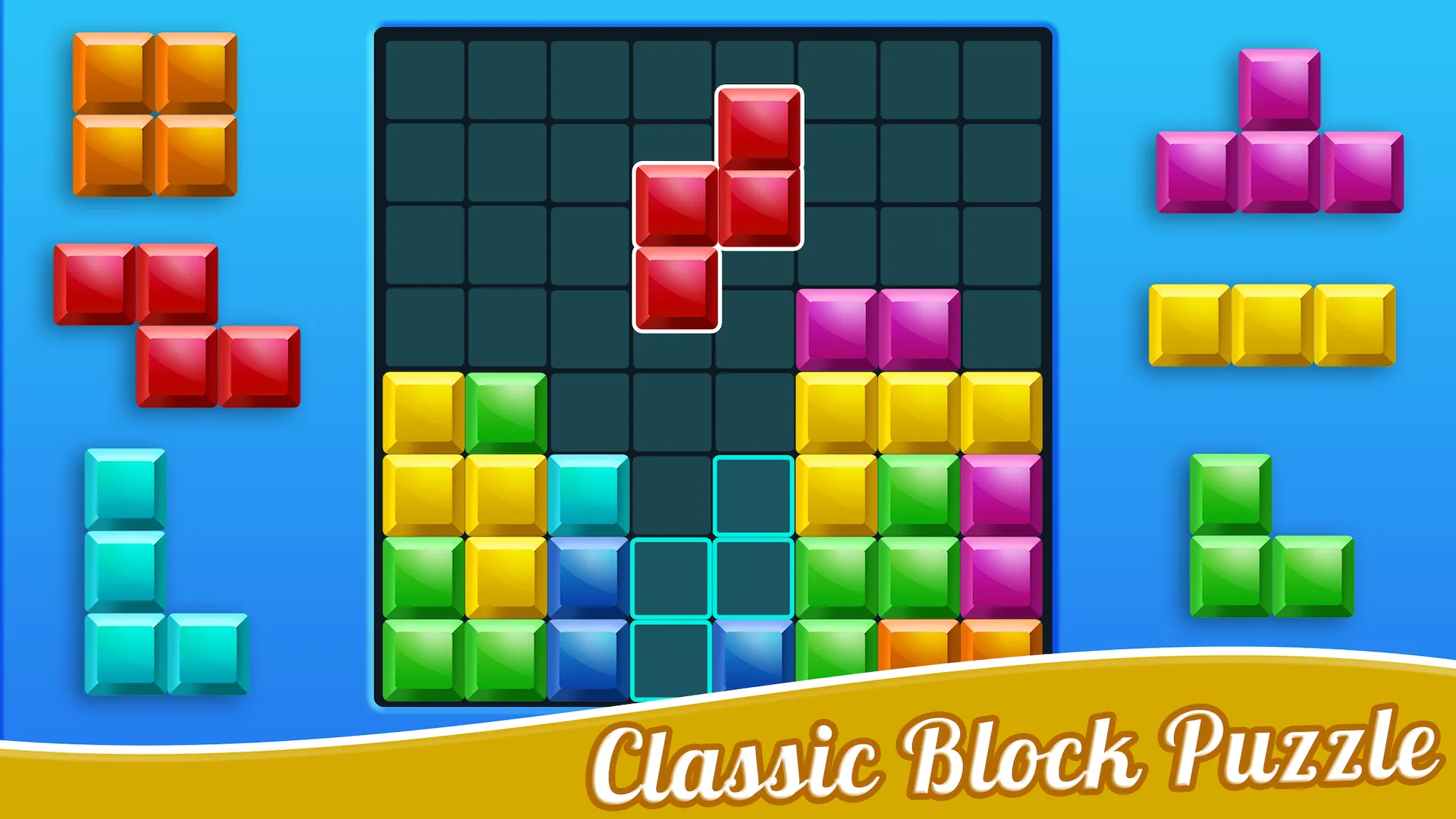
As players advance, the board starts to feel tighter. The difficulty does not spike immediately; instead, it creeps upward. More 3x3 blocks appear. Long L-shaped pieces become common. The game begins to test spatial foresight more aggressively.
Gradual Increase in Problematic Pieces
Players report noticing:
- Back-to-back large square pieces
- Sequences of awkward shapes
- Reduced chances for multi-line clears
The key word here is “gradual.” The player often cannot pinpoint when things changed — they only sense that games end sooner than before.
Psychological Shift
During this phase, frustration starts to mix with challenge. The player thinks:
“I must have made a mistake.”
The system cleverly avoids obvious unfairness. Losses feel self-inflicted. This maintains engagement while increasing difficulty.
Phase 3: The Difficulty Spike Wall (Levels 300–700)
This is where the real issue begins. Many players report a dramatic spike in unwinnable board states. Instead of steady progression, the game introduces sudden collapse scenarios.
The 3x3 Block Flood
The most common complaint involves repeated 3x3 blocks appearing when no viable placement exists. A typical scenario:
- Board is 80% full
- No 3x3 open space remains
- The next piece is a 3x3 block
This feels less like bad luck and more like forced failure.
Near-Win Manipulation
Another pattern is the “almost clear” setup. The board gives hope:
- One row left to clear
- High score within reach
- Combo streak active
Then the next three pieces become impossible to place together. This creates maximum emotional impact.
Monetization Pressure
At this stage, revive options, ad-based continues, or coin spending become more tempting. Difficulty aligns with monetization triggers.
Phase 4: Algorithmic Pattern Recognition (Levels 700–1200)
Long-term players begin recognizing patterns in piece distribution. It no longer feels random.
Repeated Trap Sequences
Players report sequences such as:
- Large block
- Mirrored large block
- Unplaceable shape
These patterns appear frequently enough to raise suspicion of dynamic difficulty adjustment (DDA).
How Dynamic Difficulty Adjustment Works
In many mobile games, DDA monitors:
- Win streak length
- Average board fill rate
- Time spent per match
If performance exceeds a threshold, the algorithm increases difficulty. In Block Blast, this may translate into:
- Increased large piece probability
- Reduced “friendly” shapes
- Fewer combo opportunities
The result is artificial compression of player success.
Phase 5: Skill Ceiling vs Artificial Ceiling
A major design issue emerges: Is the player hitting a skill ceiling, or is the game enforcing one?
True Skill Limit
A genuine skill ceiling would mean:
- Every board is solvable
- Losses stem from strategic mistakes
- Improvement reduces loss frequency
Artificial Ceiling
An artificial ceiling implies:
- Unavoidable board states
- Forced large-piece sequences
- Loss frequency unrelated to skill growth
Many high-level players argue that Block Blast leans toward the second scenario.
Phase 6: Player Psychology Under Pressure
The game leverages several psychological principles.
Variable Reward System
Wins are unpredictable. This mimics slot machine reinforcement patterns. The brain releases dopamine not from guaranteed success but from uncertain reward.
Loss Aversion
When players lose after building a strong board, they feel a stronger emotional reaction than during early-game losses. This increases the urge to immediately retry.
Sunk Cost Fallacy
After investing hours, players feel compelled to continue progressing despite frustration.
These mechanics are subtle but powerful.
Phase 7: Impact on Long-Term Retention
Ironically, aggressive difficulty spikes may hurt retention.
Casual Player Drop-Off
Casual users seeking relaxation leave once the game feels stressful.
Core Player Fatigue
Dedicated players experience burnout when improvement no longer guarantees progress.
Retention data in similar puzzle games shows that unfair-feeling difficulty correlates strongly with uninstall rates.
 Phase 8: Community Response and Player Theories
Online communities frequently discuss “rigged” boards.
Common Theories
- The game tracks available 3x3 spaces
- The algorithm intentionally blocks combo setups
- Difficulty scales with score milestones
While developers rarely confirm such systems, pattern consistency fuels speculation.
Why Transparency Matters
If players believe outcomes are manipulated, trust erodes. Puzzle games rely heavily on perceived fairness. Once fairness is questioned, the core loop weakens.
Phase 9: Comparing Block Blast to Other Puzzle Games
Other popular block-placement games handle difficulty differently.
Pure RNG Model
Some games rely on true randomness. While this can produce unwinnable states, it feels statistically fair.
Structured Challenge Mode
Others introduce difficulty through:
- Timed modes
- Limited moves
- Increasing board size
Block Blast’s approach blends hidden scaling with static board design, creating tension between player control and system control.
Phase 10: The Future of Difficulty Design in Block Blast
If Block Blast aims for long-term sustainability, several adjustments could improve balance.
Potential Improvements
- Transparent difficulty tiers
- Optional “relaxed mode” without DDA
- Visible piece probability indicators
- Skill-based progression rewards
Rebuilding Player Trust
Fairness is more important than challenge in casual puzzle games. When players lose, they should understand why. Clarity reduces frustration and increases loyalty.
Conclusion
Block Blast remains one of the most engaging casual puzzle experiences available on mobile. Its clean design and accessible mechanics attract millions of players worldwide. However, its hidden difficulty progression system creates a growing divide between early enjoyment and late-game frustration.
The issue is not that the game becomes harder — challenge is essential to engagement. The issue lies in perceived manipulation through dynamic difficulty adjustment and forced board states that appear unsolvable. Over time, this erodes trust, increases frustration, and transforms a relaxing puzzle into a psychologically taxing experience.
If developers recalibrate the balance between skill and system control, Block Blast could maintain its massive popularity while restoring the fairness that players crave. Until then, the progression trap remains one of the most significant hidden flaws in an otherwise brilliant puzzle game.